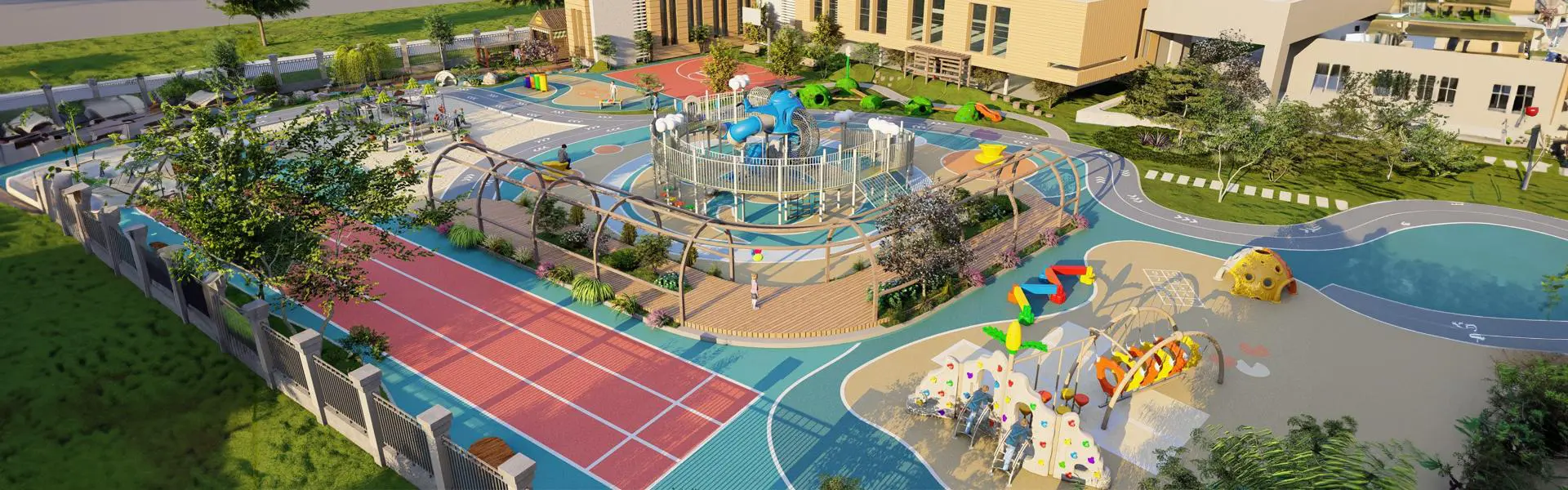
The cost of inclusive playground equipment is a significant consideration for communities, schools, and parks striving to create spaces where all children can play together regardless of their physical abilities. While initial costs may seem daunting, the long-term benefits—both social and economic—far outweigh them. This article delves into the components that contribute to the cost of inclusive playground equipment and explores why investing in such facilities is crucial for fostering an equitable society.
Components Affecting Cost
1. Design and Engineering: Inclusive playgrounds are meticulously designed to ensure they accommodate children with varying needs, including those with physical disabilities. The design process involves consulting experts, conducting feasibility studies, and ensuring compliance with safety standards. This intricate planning raises engineering costs compared to conventional playgrounds.
2. Materials: High-quality, durable materials are essential for inclusive playground equipment to withstand extensive use and harsh weather conditions. These materials often come at a premium price. For example, rubberized surfaces provide better cushioning and accessibility but are more expensive than traditional asphalt or grass.
 3. Accessibility Features:
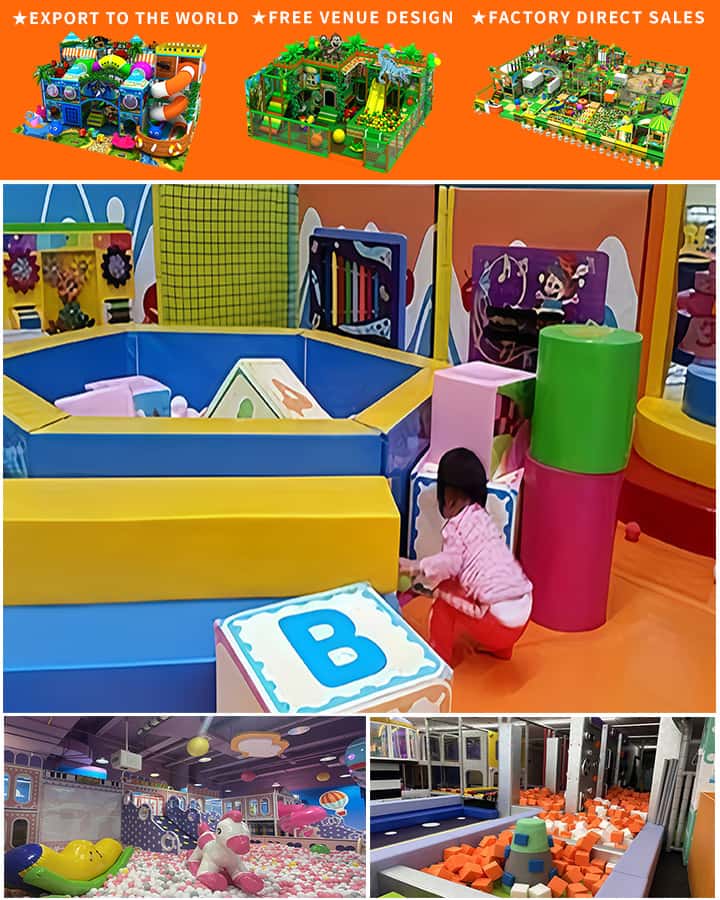
Incorporating features such as ramps, transfer stations, and specialized play equipment tailored for children with different abilities adds to the overall cost. Wheelchair-accessible swings, sensory play areas, and adaptive climbing structures require custom manufacturing, which can be costly but necessary for inclusivity.
3. Accessibility Features:
Incorporating features such as ramps, transfer stations, and specialized play equipment tailored for children with different abilities adds to the overall cost. Wheelchair-accessible swings, sensory play areas, and adaptive climbing structures require custom manufacturing, which can be costly but necessary for inclusivity.
4. Installation: Given the complexity and precision required for installing inclusive playground equipment, professional installation is often necessary. This includes groundwork like grading and surfacing, as well as the assembly of specialized equipment, contributing significantly to the total expense.
5. Maintenance and Upkeep: Ongoing maintenance ensures that the playground remains safe and accessible over time, involving regular inspections, repairs, and potential replacements. Allocating funds for routine upkeep is crucial for sustaining the longevity of these facilities.
Economic and Social Benefits
Despite the higher initial investment, the economic benefits of inclusive playgrounds are compelling. By providing an accessible space for all children, these playgrounds encourage community engagement and can boost local property values. Moreover, inclusive recreational facilities can reduce healthcare costs by promoting physical activity among children with disabilities, potentially alleviating some burdens on public health systems.
Socially, inclusive playgrounds foster empathy, collaboration, and understanding among children of different abilities. They help break down barriers and stereotypes, creating a more inclusive and harmonious environment. Families also benefit from being able to enjoy leisure activities together without facing exclusion based on physical ability.
Funding and Grants
To offset the costs, various grants and funding opportunities are available through government programs, non-profit organizations, and private donors. Many municipalities offer financial incentives for creating accessible public spaces, while national initiatives focus on promoting inclusivity in community projects. Securing these funds requires detailed proposals and adherence to specific guidelines, making it vital for planners to start early in the planning process.
Conclusion
While the cost of inclusive playground equipment might be initially high due to design, materials, accessibility features, installation, and maintenance, the long-term benefits far exceed these expenses. The promotion of inclusivity, the enhancement of community well-being, and the economic advantages make a strong case for investing in such facilities. With careful planning, leveraging available grants, and understanding the comprehensive benefits, communities can successfully create environments where every child can play and thrive together.