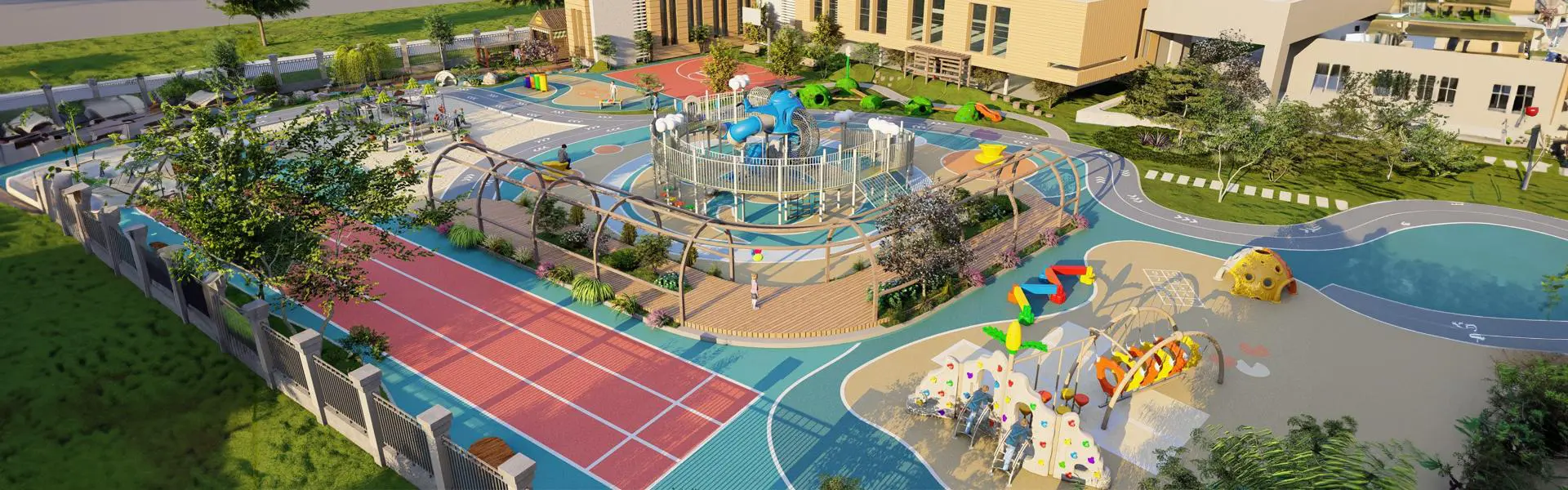
Designing an indoor play area that is both safe and stimulating for children can be a rewarding challenge. Whether you’re setting up a dedicated playroom, a corner of a living room, or an entire basement, thoughtful planning can transform any space into a fun and engaging environment. Here are some key considerations to keep in mind when creating your ultimate indoor play area setup.
Safety First
Safety should always be your top priority. Ensure the area is free from hazards such as sharp edges, choking risks, and electrical outlets. Use soft flooring materials like foam tiles or carpet to cushion falls and reduce injury. Install safety gates if the play area is near stairs or other potentially dangerous areas.
Age-Appropriate Toys and Equipment
Different age groups have different needs and interests. For toddlers, consider items like soft blocks, shape sorters, and activity centers that encourage sensory exploration and fine motor skills. Preschoolers might enjoy pretend play sets, puzzles, and simple craft supplies. Older children may benefit from more complex building sets, arts and crafts stations, and even a small reading nook.
Zoned Layout
Creating distinct zones within your play area can help keep it organized and cater to various activities. Designate areas for physical play, creative activities, quiet time, and even a small snack station. This not only helps in keeping the space tidy but also allows children to move seamlessly from one activity to another without disrupting ongoing play.
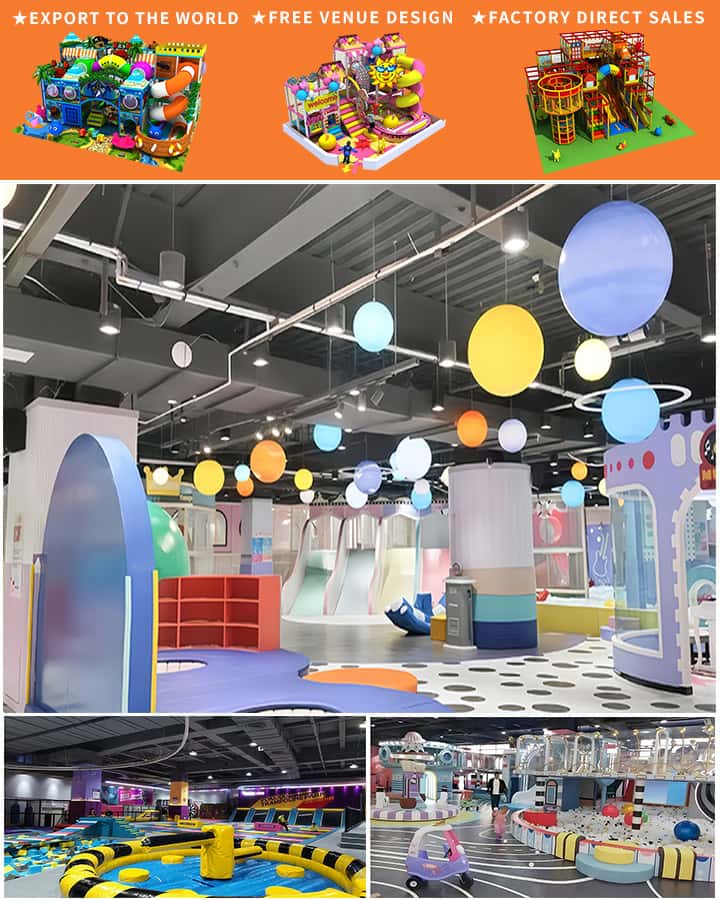
Physical Play Zone
Incorporate elements like a small slide, climbing wall, or tunnel to encourage physical activity and gross motor development. A mini trampoline or balance beam can also add variety and excitement to this zone.
Creative Corner
Set up tables with art supplies such as crayons, markers, paint, and glue. A bulletin board can display their masterpieces, fostering a sense of accomplishment and pride. Consider adding musical instruments or a small stage for budding performers.
Quiet Time Space
A cozy reading nook with child-sized furniture, bookshelves filled with age-appropriate books, and soft pillows or a small tent can create a serene retreat perfect for winding down or imaginative play.
Snack Station
Include a low table and chairs where kids can sit comfortably and enjoy snacks. Keep healthy options readily available and make sure the area is easy to clean.
Storage Solutions
Effective storage is crucial in maintaining order and ensuring that the play area remains functional. Use bins, baskets, shelves, and cubbies to organize toys and materials. Clearly label each storage container to make cleanup easier for little ones and to encourage them to take part in tidying up.
Flexibility and Adaptability
Children’s interests can change rapidly, so design your play area to be flexible. Opt for modular furniture that can be easily rearranged or repurposed as needed. Wall-mounted shelves and hooks can provide additional storage and can be adjusted as your child grows.
Personal Touch
Finally, involve your child in the setup process! Let them have a say in color schemes, themes, and even the placement of certain items. Personalizing the space can make it feel truly special and encourage them to spend more time playing and exploring.
In conclusion, creating the ultimate indoor play area setup requires careful planning and a focus on both safety and engagement. By considering the unique needs and preferences of your child, you can design a fun, functional space that supports their growth and development while providing endless hours of enjoyment.