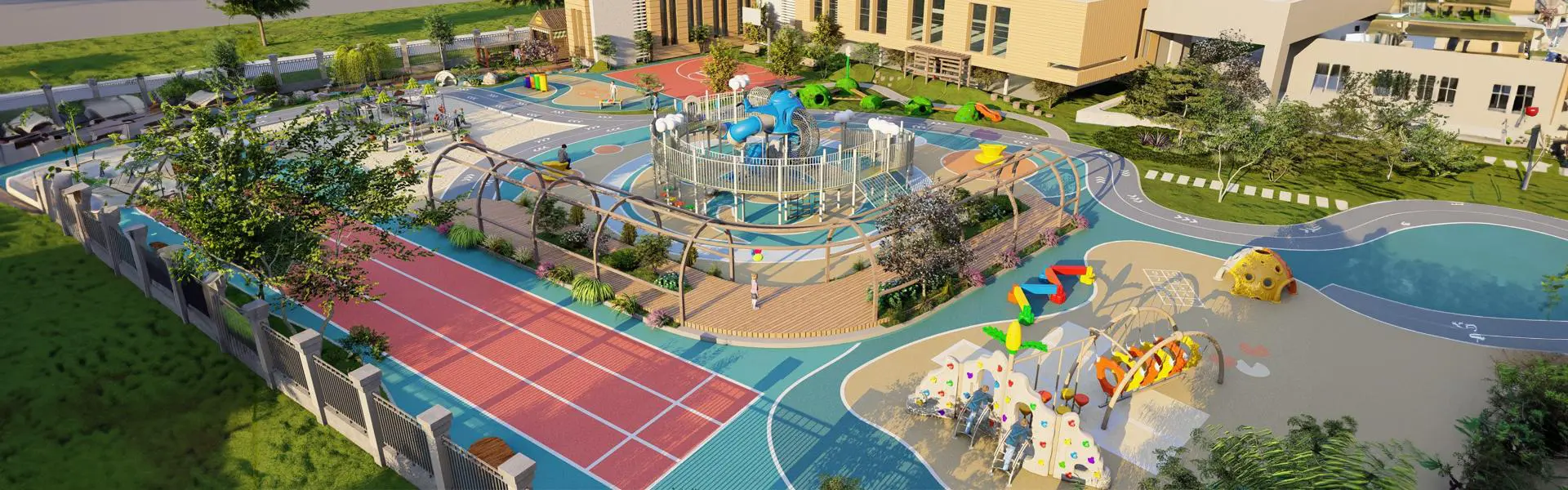
Creating a safe, engaging kids’ playground is a dream for many communities, schools, and families. A well-designed and installed playground can offer endless hours of enjoyment and developmental benefits for children. However, the installation process requires careful planning, consideration of safety standards, and adherence to best practices. This guide covers essential steps and tips to ensure your kids’ playground installation is a success.
1. Planning and Design
Understanding the Needs of the Community
Before starting the installation, it’s crucial to identify the needs and preferences of the community. Surveys, focus groups, and consultations with parents, teachers, and local authorities can provide valuable insights into what kind of playground equipment and features will be most beneficial and popular.
Choosing the Right Location
The location plays a vital role in the success of the playground. Ideally, it should be easily accessible, visible, and situated on level ground. The area should also be large enough to accommodate the desired play structures while allowing space for future expansions or additional equipment.
Incorporating Inclusive Design
Ensure the playground design is inclusive, catering to children of all abilities. This may involve installing wheelchair-accessible swings, sensory-rich play areas, and equipment that accommodates various physical challenges.
2. Safety Considerations
Material Selection
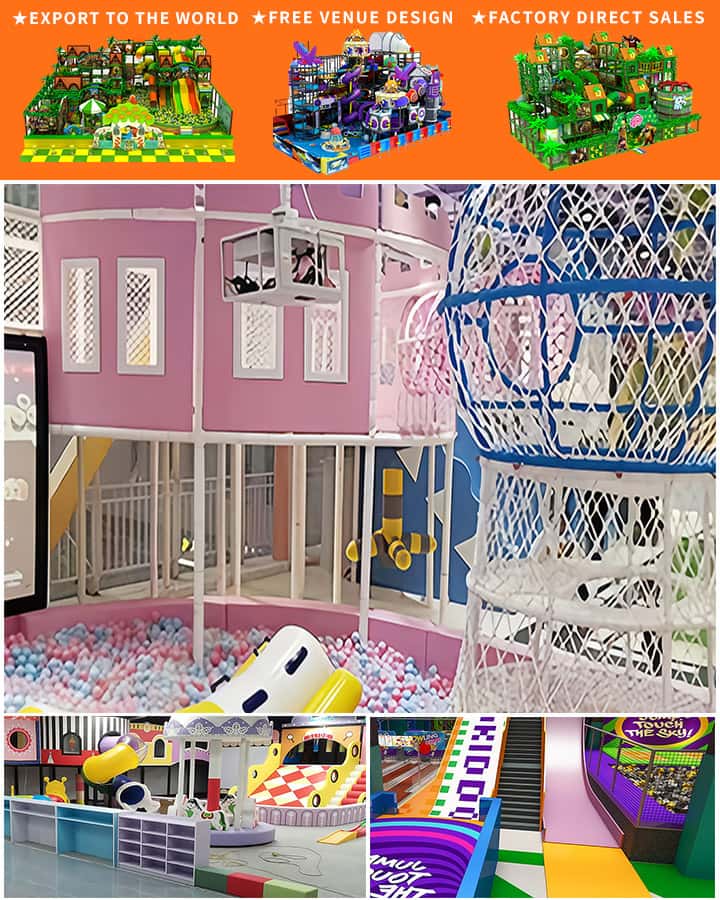
Choose materials that are durable, weather-resistant, and non-toxic. High-quality rubber mulch, wood fibers, or poured-in-place surfaces are excellent choices for impact absorption. Metal components should be galvanized or made from stainless steel to prevent rust and corrosion.
Safety Surfacing
Proper safety surfacing is critical to minimize injuries from falls. Options include engineered wood fiber, synthetic turf, rubber mats, and wet pour rubber. Ensure the surfacing extends at least six feet around all play equipment.
Equipment Standards
Only select playground equipment that complies with ASTM (American Society for Testing and Materials) and CPSC (Consumer Product Safety Commission) guidelines. Regular inspections and maintenance are necessary to keep the equipment in safe working condition.
3. Installation Process
Site Preparation
Prepare the site by clearing vegetation, rocks, and debris. Conduct soil testing to check drainage capabilities and compact the soil to create a stable base. In areas with poor drainage, consider installing a sub-base of gravel or sand.
Assembling Play Structures
Follow manufacturer instructions meticulously during installation. Use proper tools and equipment to avoid damaging components. Make sure all bolts, screws, and other fasteners are securely tightened to prevent any part from coming loose over time.
Surfacing Installation
Lay the safety surfacing evenly across the prepared area. For rubber mulch or wood chips, maintain a depth of at least 9 inches for optimal cushioning. Synthetic surfaces should be professionally installed to ensure proper bonding and longevity.
4. Maintenance and Longevity
Routine Inspections
Regularly inspect the playground for signs of wear and tear. Look for damaged components, loose fasteners, and deteriorated safety surfacing. Address any issues immediately to maintain a safe play environment.
Cleaning Protocols
Establish a cleaning schedule for the playground. Sweeping away leaves, picking up litter, and wiping down surfaces regularly will help keep the area clean and hygienic. Occasional deep cleaning with appropriate cleaning agents can further extend the life of the equipment.
Seasonal Upkeep
Prepare the playground for different seasons. Remove snow promptly in winter to prevent damage from freeze-thaw cycles, and check for any moisture-related issues in humid climates. Apply fresh safety surfacing as needed to maintain adequate cushioning.
Conclusion
Installing a kids’ playground involves meticulous planning, thoughtful design, and diligent execution. By prioritizing safety, accessibility, and durability, you can create a vibrant, welcoming space that fosters physical activity, creativity, and social interaction among children. With regular maintenance and care, your playground will remain a cherished community asset for years to come.