
Setting up a dedicated play area for your children at home can be a delightful project that not only encourages their imagination and creativity but also provides a space where they can safely engage in various activities. With a bit of planning and creativity, you can transform a corner, basement, or even a room into an exciting play haven for your kids. Here are some essential tips to guide you through setting up a fantastic play area at home:
1. Choose the Right Location
Selecting the perfect spot is crucial. The play area should be easily accessible yet separate enough to allow for noise and activity without disturbing other household functions. Consider spaces like the living room corner, a spare room, or even converting a garage.
2. Safety First
Kids’ safety is paramount. Ensure the play area is free from hazards such as sharp edges, exposed electrical outlets, and small objects that could be swallowed or cause choking. Install safety gates if necessary and cover any hard surfaces with soft mats or carpets to cushion falls.
3. Incorporate Storage Solutions
Keeping the play area organized helps maintain a clutter-free environment. Invest in bins, baskets, and shelves where toys can be easily stored and labeled. This teaches kids responsibility and makes cleanup time more manageable.
4. Create Zones
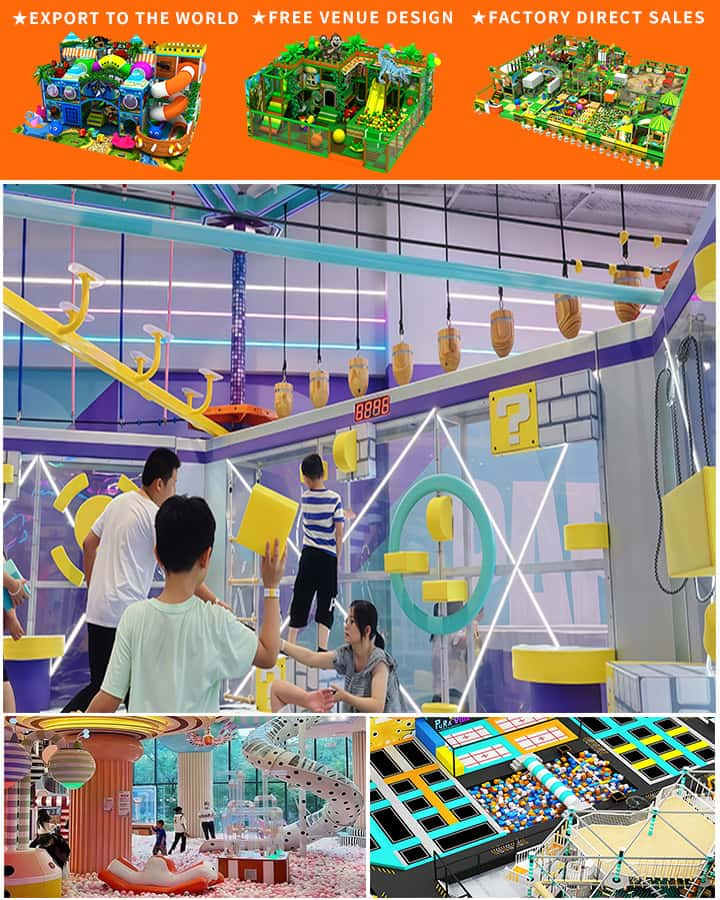
Dividing the play area into zones based on activities can enhance the functionality and enjoyment. For example, you might have a reading nook with cozy bean bags and bookshelves, a creative corner with art supplies and drawing boards, and a physical activity zone with balls, jump ropes, or a mini indoor trampoline.
5. Add Comfortable Seating
Provide comfortable seating options appropriate for children, such as floor cushions, small chairs, or beanbags. These not only make the area inviting but also support different types of play, from storytelling sessions to imaginative play.
6. Decorate with Colorful Accents
Bright colors and fun decorations can stimulate kids’ senses and foster an engaging atmosphere. Think about wall decals, colorful rugs, string lights, or DIY crafts that add personality and excitement to the space.
7. Include Educational Elements
Integrating educational elements can turn playtime into learning opportunities. Consider adding alphabet charts, world maps, counting boards, or science experiment kits. Board games and puzzles also promote cognitive development and family bonding.
8. Rotate Toys and Activities
To keep the play area fresh and interesting, periodically rotate the toys and activities available. This prevents boredom and allows kids to rediscover old favorites while exploring new interests.
9. Personalize with Their Interests
Tailor the play area to reflect your child’s unique interests and passions. Whether they love dinosaurs, fairy tales, space exploration, or sports, incorporating these themes can make the space incredibly motivating and enjoyable for them.
10. Involve Your Kids in the Process
Finally, involve your children in creating their play area. Let them contribute ideas, choose colors, and help with setup where appropriate. This involvement can boost their excitement and sense of ownership over their special space.
By thoughtfully setting up a kids’ play area at home, you provide a nurturing environment that supports their growth, learning, and happiness. It becomes not just a place to play but a sanctuary where their imagination can soar, and precious memories are made.