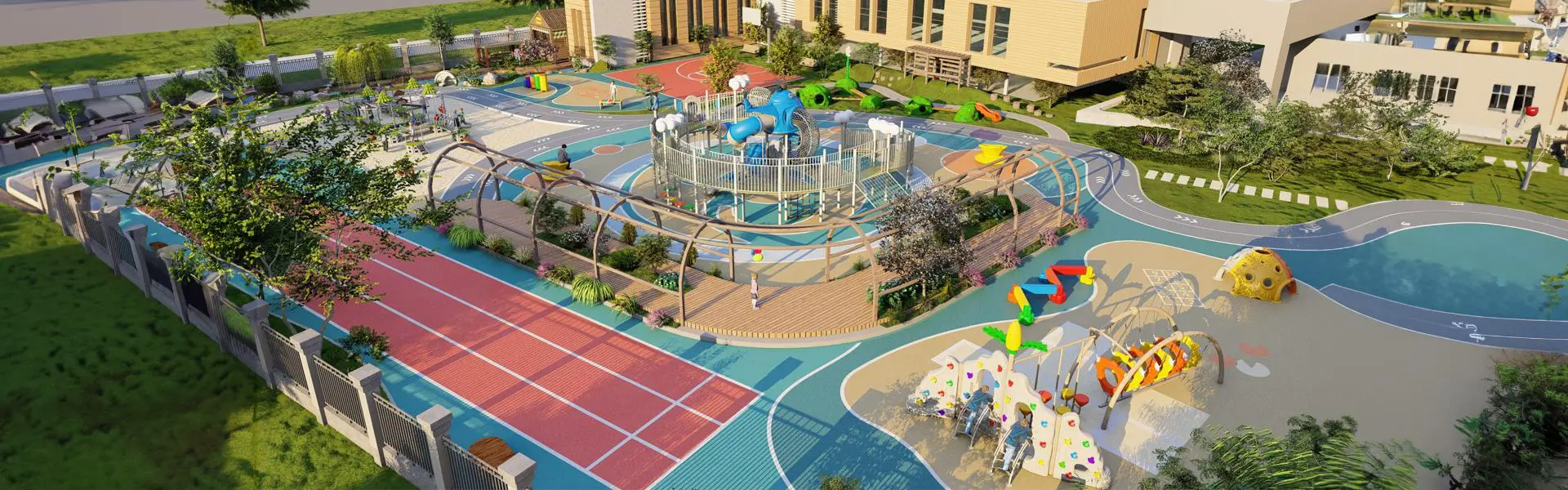
Designing a captivating play area for children requires creativity and careful planning. A well-organized and stimulating environment can encourage imaginative play, physical activity, and social interaction. Here are some innovative ideas to help you set up an engaging kids’ play area in your home or backyard.
1. Outdoor Adventure Zone
Transform your backyard into an outdoor adventure zone with climbing structures, swings, and slides. Install a wooden playhouse that doubles as a fort, complete with lookout towers and secret hideouts. For added fun, incorporate natural elements like logs, rocks, and sand pits for children to explore and use in their pretend play. Don’t forget a small garden where kids can learn about planting and nurturing plants.
2. Indoor Playroom Oasis
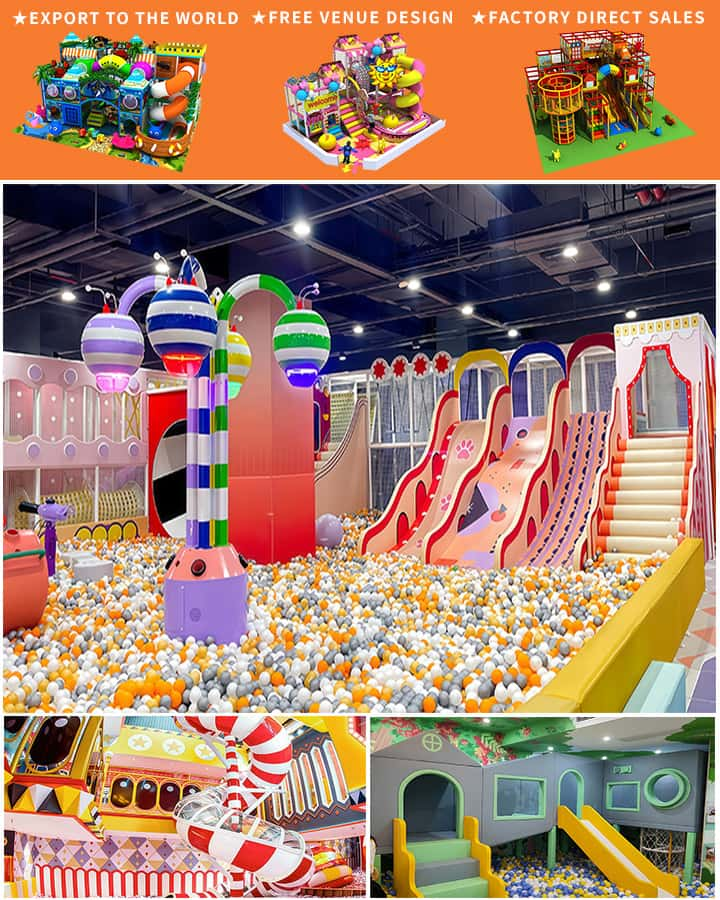
Create an indoor playroom that caters to various interests and activities. Use bright colors and fun patterns for the walls and floor to make the space inviting. Include a reading nook with bean bags and a bookshelf filled with age-appropriate books. Set up a craft station with art supplies like crayons, markers, and construction paper. Add a mini kitchenette or play grocery store for role-playing games that teach life skills and social interactions.
3. Educational Play Space
An educational play area combines learning with play, making it easier for children to grasp new concepts. Fill this space with interactive toys like alphabet puzzles, counting games, and educational apps on tablets or computers. A globe, maps, and travel-themed decor can spark curiosity about geography. Incorporate a science table with simple experiments and tools to encourage budding scientists to explore and ask questions.
4. Sensory Play Corner
A sensory play corner offers various textures, colors, and sounds to help develop sensory perception. Use materials like rice tables, water tables, and sensory bins filled with sand, beans, or fabric scraps. Incorporate musical instruments, light-up toys, and soft furnishings with different fabrics to provide a multi-sensory experience. This area is especially beneficial for young children who are in their sensory exploration phase.
5. Sports and Movement Zone
Encourage physical activity with a dedicated sports and movement zone. Set up basketball hoops, soccer goals, or a badminton net for active play. Create a mini obstacle course with tunnels, cones, and balance beams to enhance motor skills and coordination. Add a small trampoline or a safe climbing wall to promote strength and flexibility. Ensure the area has plenty of open space for running around and playing games.
6. Quiet and Relaxation Area
Every play area should have a quiet spot where children can relax and unwind. Design a cozy reading corner with beanbags, soft rugs, and calming decorations. Include a selection of storybooks, puzzles, and gentle music to create a soothing atmosphere. You can also add a small meditation cushion or a sensory jar filled with glitter and water to help children practice mindfulness and relaxation techniques.
Final Thoughts
Setting up a kids’ play area involves blending safety, creativity, and functionality. Whether you opt for an adventurous outdoor setup or a versatile indoor space, the key is to cater to the diverse needs and interests of children. By creating a stimulating environment, you’ll not only keep kids entertained but also support their developmental growth through play. So gather your materials, get creative, and watch as your kids embark on endless adventures in their very own play paradise!