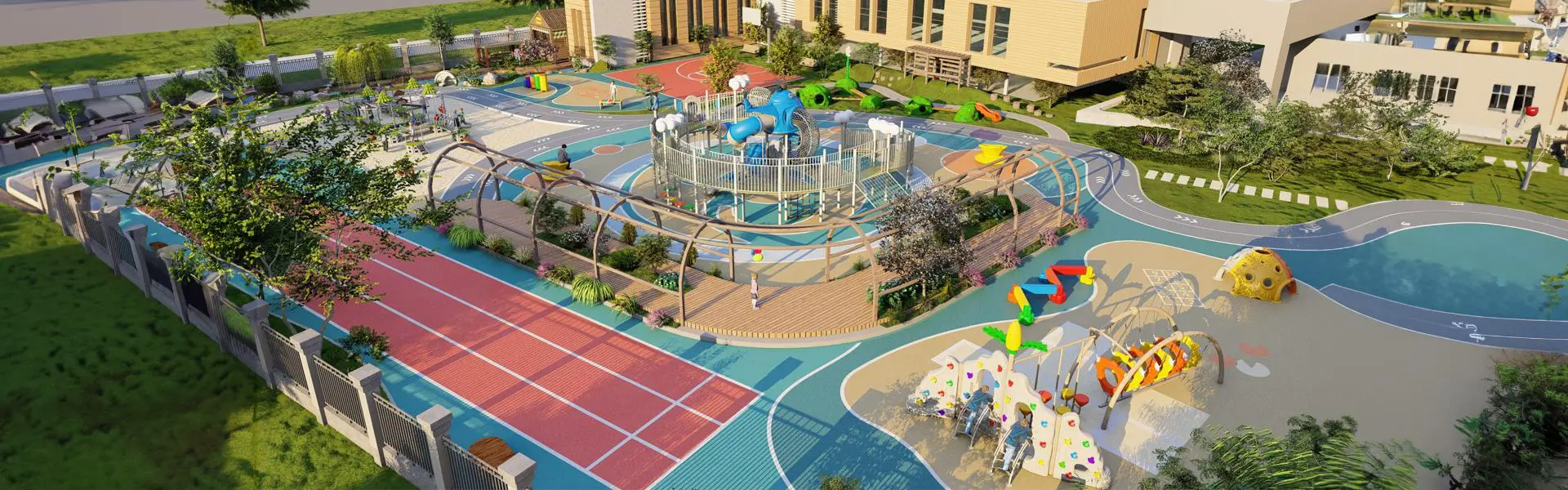
Creating an outdoor play area for kids is a fantastic way to encourage physical activity, creativity, and social skills. Whether you have a sprawling backyard or a small balcony, designing a space that is both fun and safe can provide endless enjoyment for children of all ages. This guide will help you set up an ideal outdoor play area tailored to your family’s needs.
Assess Your Space
Before diving into the specifics, it’s essential to assess the space you have available. Measure the area to understand its dimensions and consider any existing features like trees, slopes, or structures. This will help you make informed decisions about what equipment can fit and how to arrange it for optimal safety and enjoyment.
Choose Durable and Safe Equipment
Safety should always be the top priority when selecting play equipment. Look for age-appropriate, durable materials that can withstand various weather conditions. Here are some must-have items:
- Swing Set: Swings are a classic addition to any play area. Make sure they are well-anchored and have safety harnesses for younger children.
- Slides and Climbers: These structures promote physical activity and coordination. Ensure they are stable and have smooth edges to prevent injuries.
- Sandbox: A sandbox provides a creative outlet for kids to build and dig. Cover it when not in use to keep out animals and debris.
- Playhouse: A small playhouse can spark imaginative play. Choose one made from weather-resistant materials.
Incorporate Soft Surfacing
To minimize injury from falls, consider installing soft surfacing materials around the play area. Options include rubber mulch, wood chips, or foam mats. These materials provide a cushion that is much safer than concrete, asphalt, or grass.
Add Shade and Seating
Outdoor play can get hot, especially during the summer months. Provide shade through umbrellas, canopies, or pergolas with climbing vines. Comfortable seating for parents and caregivers ensures that adults can supervise without discomfort.
Integrate Natural Elements
Incorporating natural elements like gardens, water features, or even small ponds can enhance the sensory experience of the play area. Planting flowering shrubs or creating a small herb garden can also serve an educational purpose, teaching kids about nature and responsibility.
Safety First: Fencing and Gates
If your play area is separate from the main part of your yard, consider installing a fence or gate to keep pets and other children out when unsupervised. Ensure that any fencing is tall enough and securely fastened to prevent accidental openings.
Engaging Activities and Toys
Beyond the fixed equipment, consider adding engaging activities and toys to inspire creativity and learning. Chalkboards or easels encourage drawing and writing, while musical instruments or puppet theaters foster imaginative play.
Maintenance and Upkeep
Regular maintenance is crucial to keep the play area safe and enjoyable. Check for loose screws, broken parts, or sharp edges regularly. Clean sandboxes and sweep away leaves or debris that could cause slips.
Personalize It
Finally, personalize the outdoor play area to reflect your child’s interests. Whether it’s painting the playhouse in their favorite colors or adding themed decals to the swing set, making the space uniquely theirs will make it even more inviting and fun.
By following these guidelines, you can create an ultimate outdoor play area that is both enjoyable and safe for your kids. With thoughtful planning and attention to detail, this space will become a cherished spot for countless hours of play and adventure.